Rail Biking in Cattaraugus, NY: A New Way to Explore the Historic Village
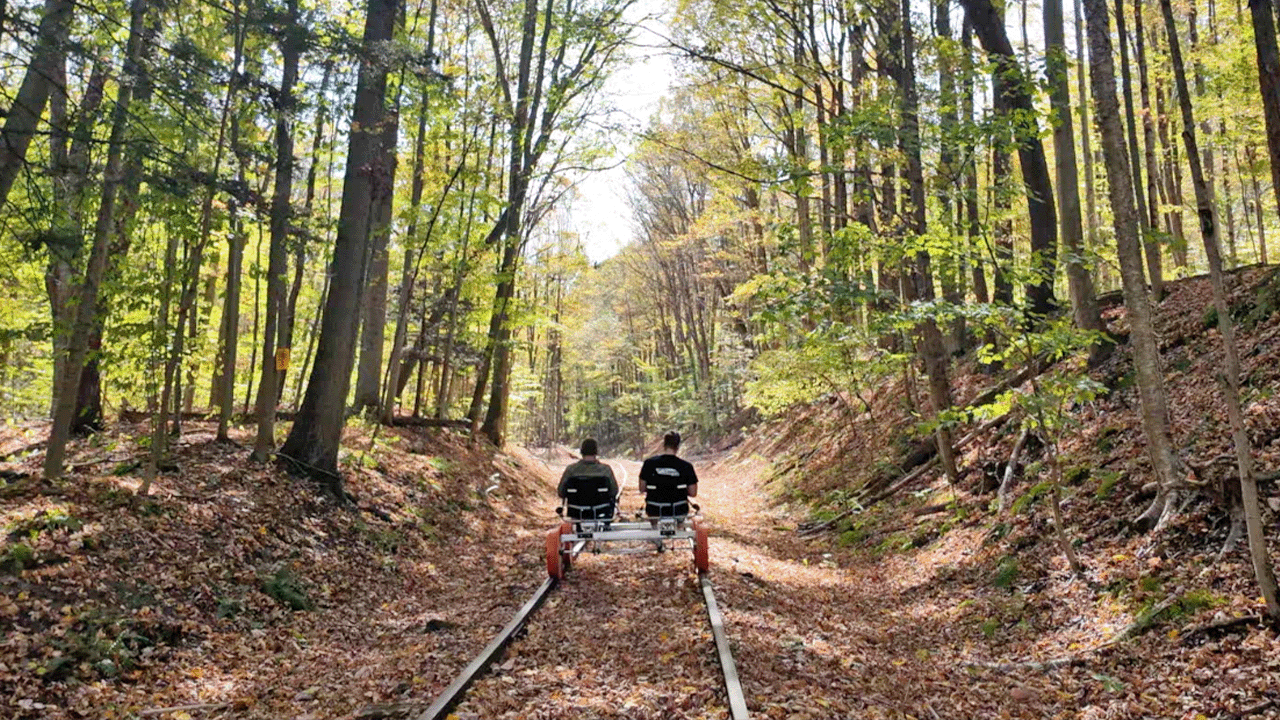
Photo credit: WKBW Buffalo
Cattaraugus may be small, but its roots run deep. Set among the rolling hills of Western New York, the village reflects a time when small communities played an important role in connecting people, goods, and industry across the region.
In the 1800s, the arrival of the railroad brought new life to Cattaraugus, linking it to a much larger network that stretched across New York State and beyond.
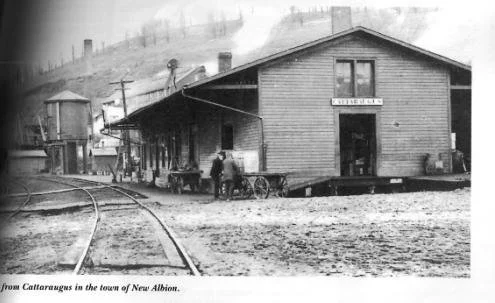
Photo Credit: HistoricPath.com
For a time, the village was an active stop along those routes. Timber, agricultural goods, and passengers moved through regularly, and the railroad helped shape both the economy and daily life in the area.
As transportation shifted toward cars and highways, that activity slowed. Like many small railroad towns, Cattaraugus settled into a quieter pace. The trains stopped running, but the tracks remained, cutting through forests, fields, and the gently rolling hills shaped by glaciers thousands of years ago.
Today, those same tracks offer a new way to experience the landscape.
A Name with Deep Roots
The name “Cattaraugus” comes from the language of the Seneca Nation. While translations vary, it is often understood to mean something close to “bad smelling banks” or “place of the bad smelling river,” a reference to natural gas springs once found in the area, a feature that has since faded while the name has remained.
Long before the railroad arrived, this region was part of a much larger Indigenous landscape shaped by movement, trade, and a strong connection to the land. That history remains an important part of the story of this place, even as the landscape and its uses have changed.
Following the Same Tracks
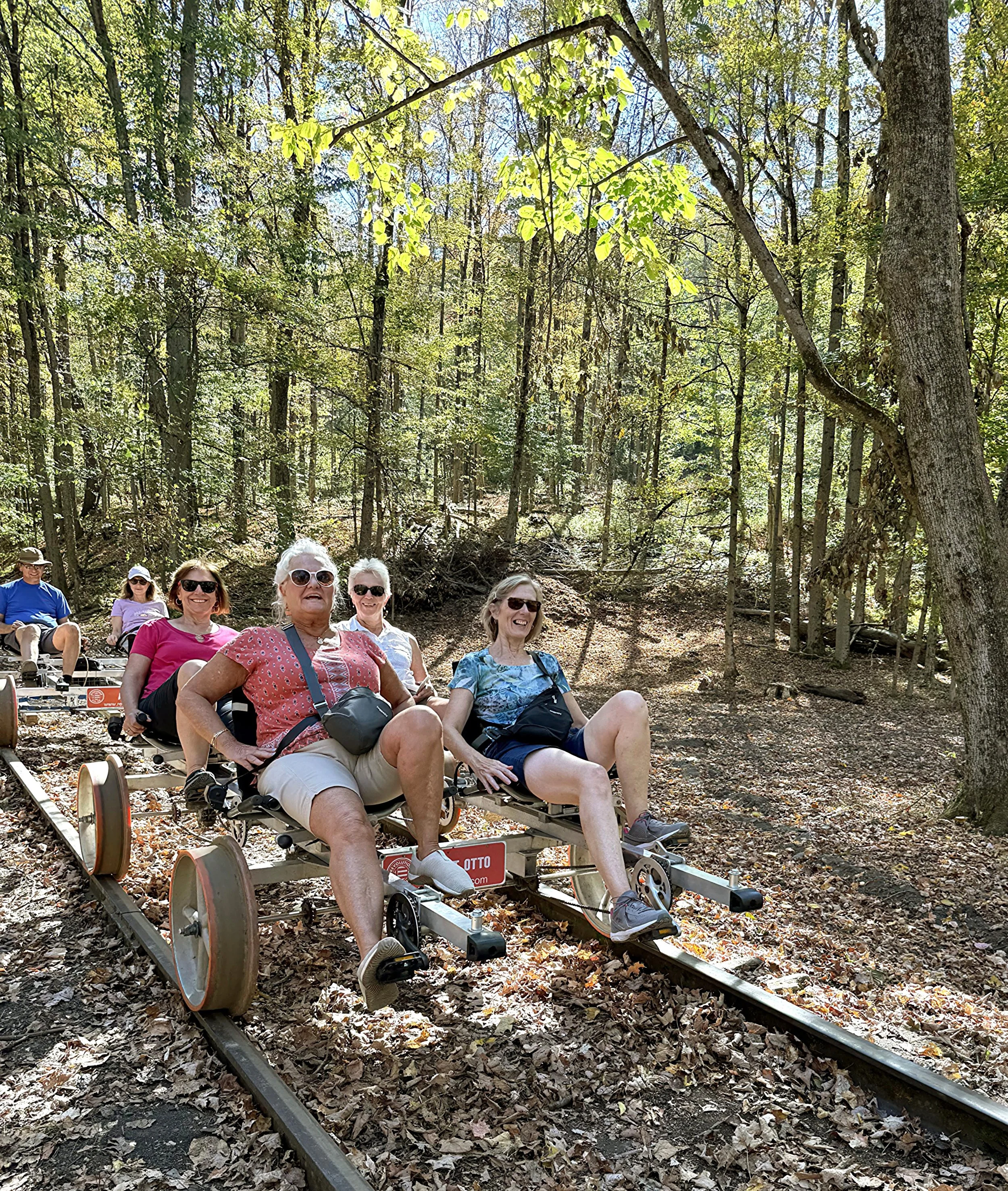
The rail lines that once carried goods and passengers through Cattaraugus are still part of the landscape. Today, they offer a different kind of movement.
With Revolution Rail, those same tracks have been repurposed into a ride that follows the original route through the countryside. It’s a simple idea, but one that connects the past to the present in a way you can experience directly.
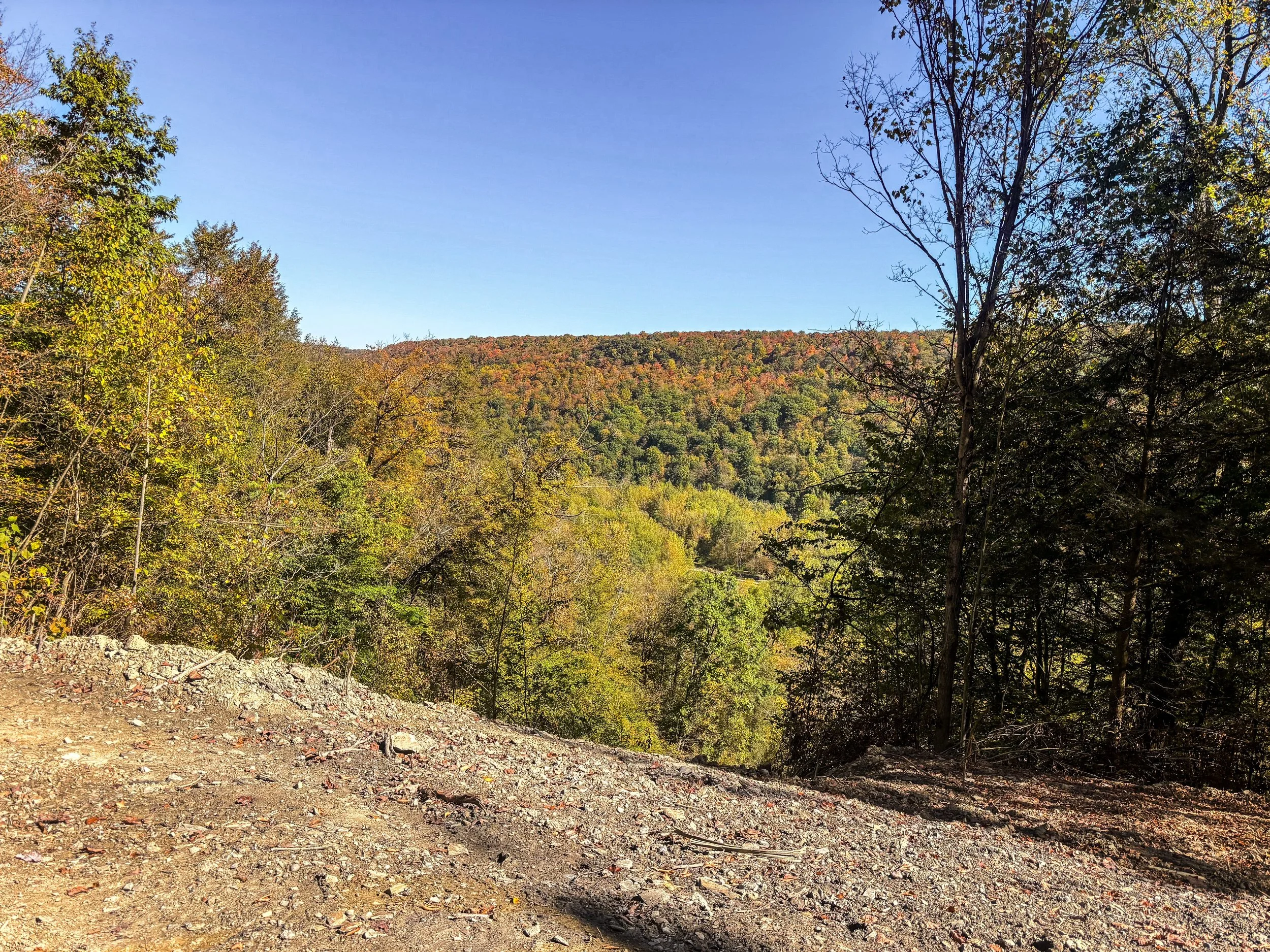
As you move along the tracks, the landscape begins to shift. Trees line certain sections, then open into wider views where you can see the natural contours of the land. Parts of the route pass through Zoar Valley, one of Western New York’s most striking natural areas, known for its deep gorges, old-growth forest, and the winding Cattaraugus Creek.
Carved over thousands of years by the creek itself, Zoar Valley has long been recognized for its rugged terrain and unique ecosystem, standing in contrast to the surrounding farmland and rolling hills.
The hills in this part of New York were shaped by glaciers thousands of years ago, leaving behind the rolling terrain that defines the region today. Together, the village of Cattaraugus and the surrounding landscape, including Zoar Valley, reflect a quieter, less-traveled side of Western New York.
Why It’s Worth the Stop
Cattaraugus is the kind of place you just come across, and that’s part of what makes it interesting.
The experience here isn’t built around crowds or packed itineraries. It’s shaped by the landscape, the history, and the feeling of stepping into a place that has stayed close to what it has always been. Revolution Rail’s Cattaraugus experience offers a chance to explore a part of New York that many people pass by without realizing it’s there.
If you’re looking to step off the main road and try something a little different, this is a place worth discovering.
Book your Cattaraugus rail biking experience and see where the tracks take you.