
North Creek Depot Museum: Where Adirondack Rail History Still Lives
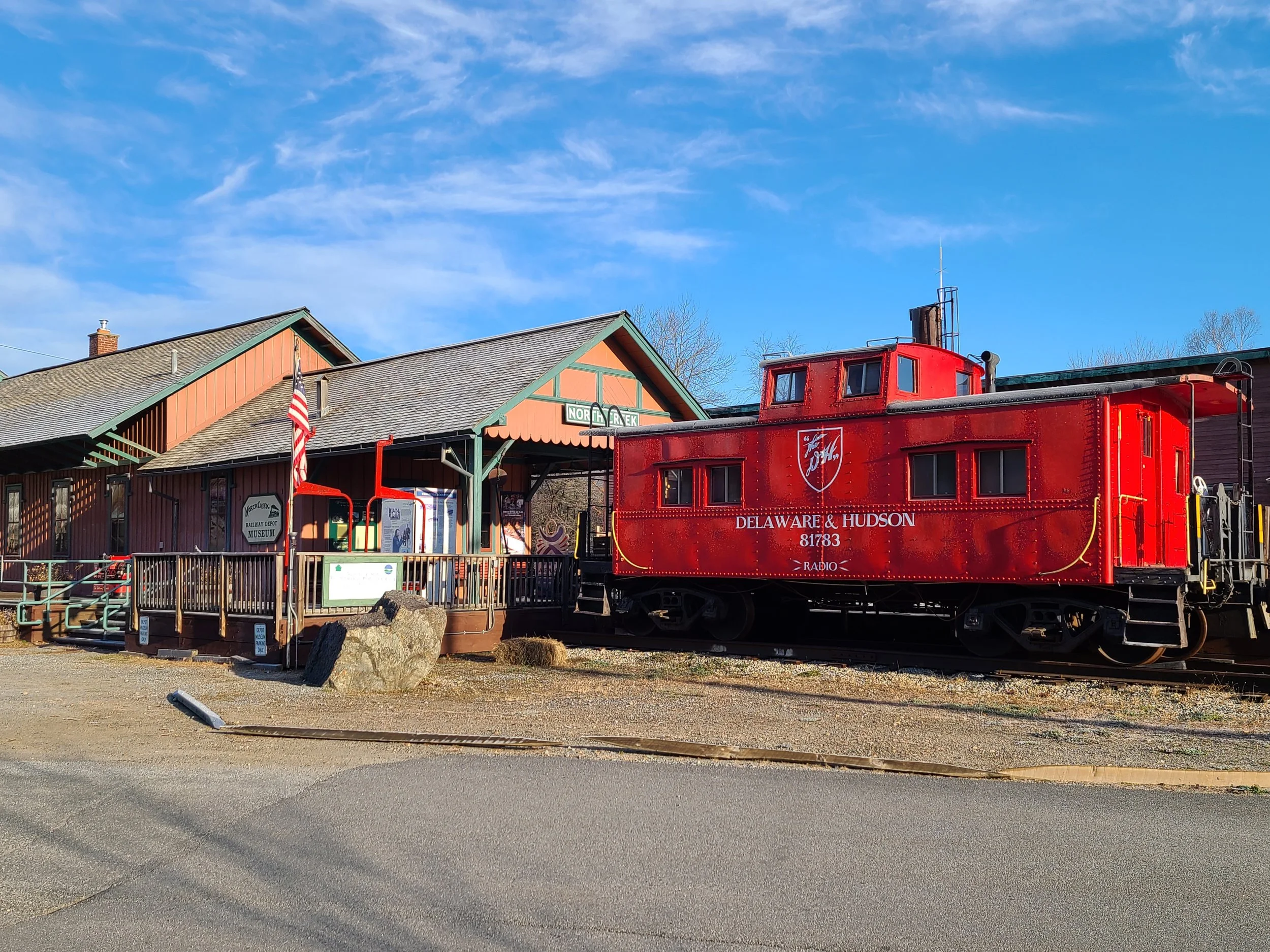
Before you hop on a rail bike in North Creek, there’s a story waiting just steps away.
Right next door to Revolution Rail’s North Creek Station, the North Creek Depot Museum offers a closer look at how rail travel shaped the Adirondacks.
Built in the late 1800s, the depot once served as a working train station for passengers and freight moving through the region. Travelers arrived here before continuing deeper into the mountains, and goods passed through on their way to larger cities across New York.
Today, the building has been preserved as a museum, giving visitors a chance to step into that history and understand how the railroad helped define North Creek and the surrounding Adirondack landscape.
Railroads and the Adirondacks
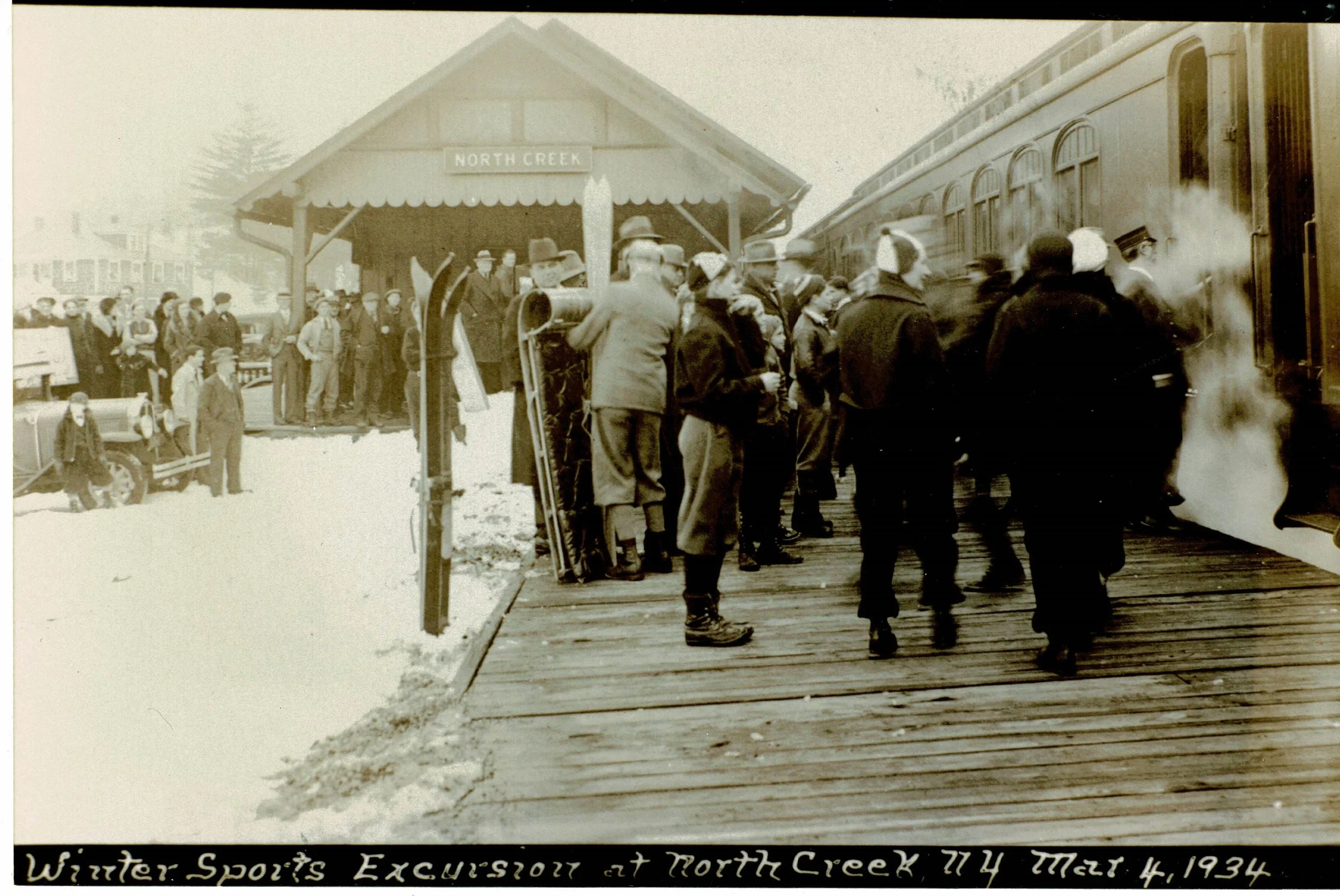
Before highways connected the Adirondacks to the rest of the state, railroads played a central role in how people traveled.
Lines like the Delaware & Hudson Railroad brought visitors, workers, and supplies into the region, opening up areas that had once been difficult to access. North Creek became an important stop along these routes, serving as a gateway to the High Peaks and nearby wilderness.
The railroad helped shape the local economy and supported the growth of tourism in the Adirondacks. Hotels, camps, and guide services expanded alongside the steady flow of passengers arriving by train.
The tracks that run through North Creek today follow the same corridor that carried that early movement into the mountains.
A Station with National Significance
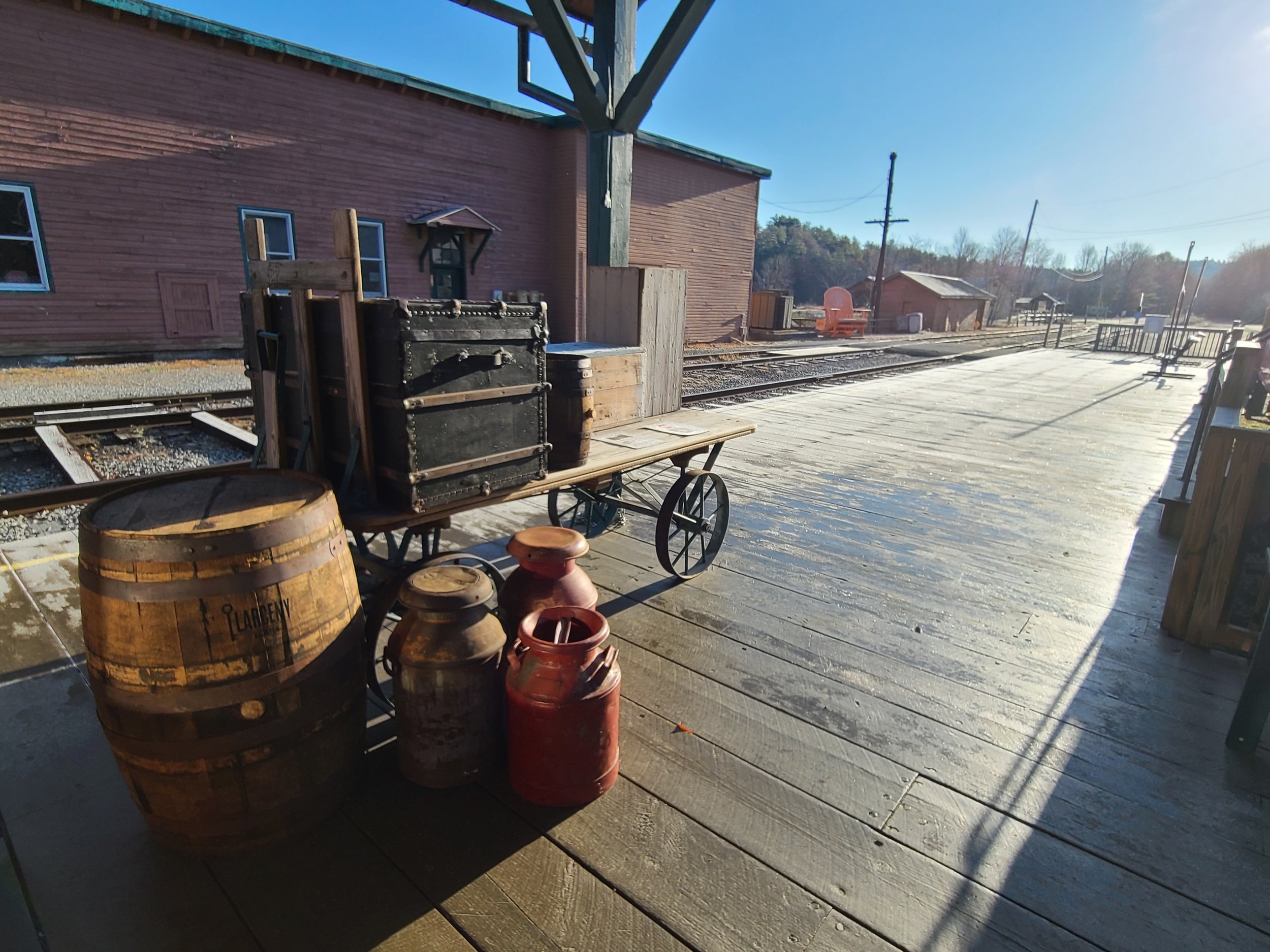
In September of 1901, North Creek became part of a pivotal moment in American history.
Vice President Theodore Roosevelt was in the Adirondacks when he received word that President William McKinley's condition had worsened following an assassination attempt.
After making a strenuous overnight journey out of the High Peaks, Roosevelt arrived at the North Creek Depot in the early morning hours of September 14, 1901. While waiting on the platform, he received a telegram informing him that McKinley had died.
Roosevelt immediately boarded a train bound for Buffalo, where he would be sworn in as the 26th President of the United States later that day.
Roosevelt's departure from the North Creek Depot placed this small Adirondack station at the center of a major turning point in the nation’s history.
Visitors to the museum can learn more about the “Midnight Ride of Theodore Roosevelt,” the urgency of that trip, and how North Creek became part of the story. The depot remains one of the few places where that moment can be experienced in a physical, tangible way.
Inside the North Creek Depot Museum
Today, the North Creek Depot Museum preserves the history of rail travel in the Adirondacks through exhibits, artifacts, photographs, and interactive displays that explore the region's transportation and recreation history.
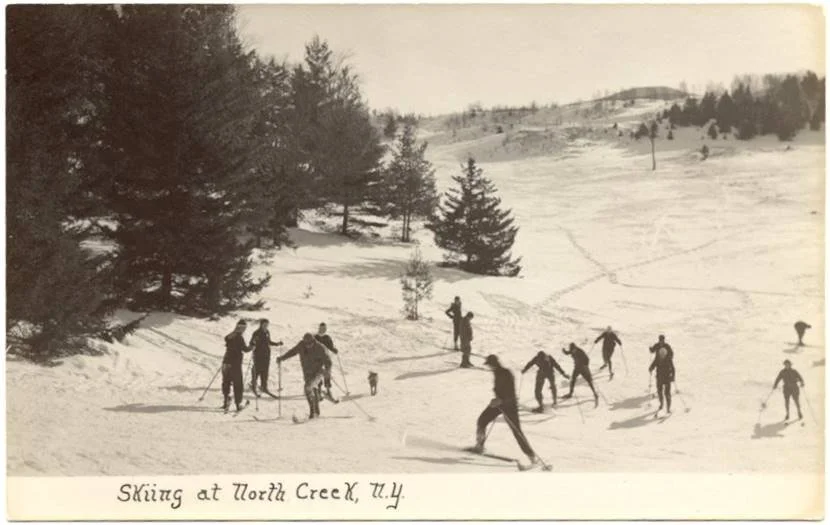
Visitors can learn about the role railroads played in opening the Adirondacks to tourism, explore the museum's Ski History Room, and discover how North Creek became home to the nation's first organized ski patrol. Exhibits also highlight the early snow trains that brought winter visitors to the region, New York State's first rope tow, and the legacy of the 10th Mountain Division during World War II.
Another museum highlight is its detailed train diorama of the Gore Mountain region, one of the museum’s most popular exhibits.
The museum also hosts special events throughout the year, including programs related to Theodore Roosevelt's historic journey through North Creek. Learn more about upcoming events on the museum's website.
Located next door to Rev Rail’s North Creek Station, the museum is an easy stop to add before or after your ride. Spend a few minutes at the museum to add another layer to your experience, connecting the scenery you experience with the people, events, and history that once traveled these same rails.